3D Gradient Background: Elevate Your Visual Projects
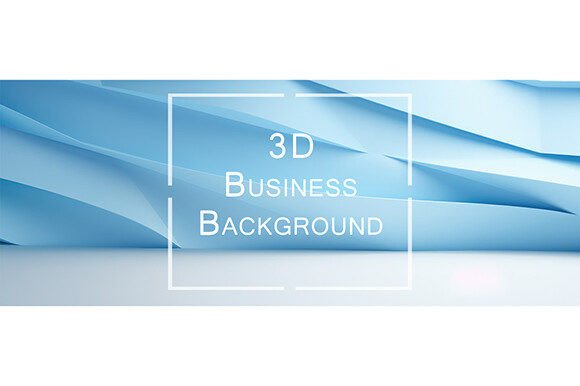
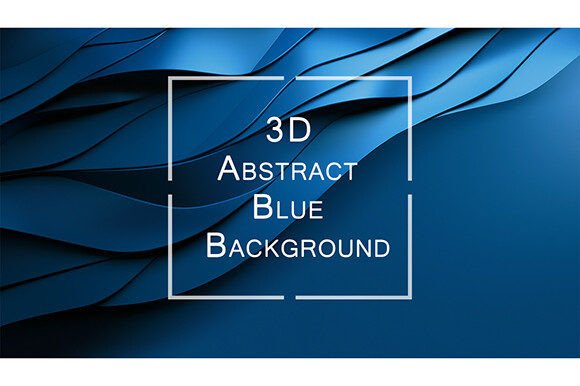
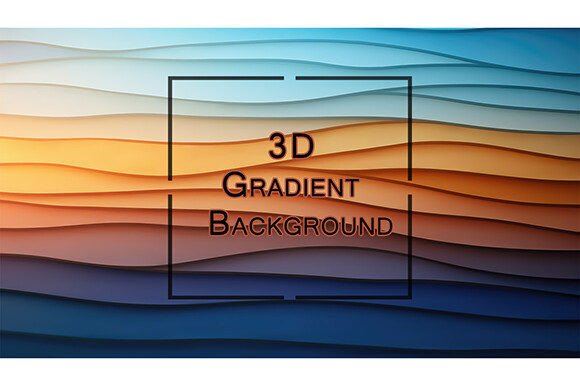
Visual impact begins with the foundation of an image. When you select a 3D Gradient Background, you are choosing more than just a color scheme; you are selecting depth, dimension, and a sense of movement that flat colors simply cannot provide. This specific asset, available as a high-resolution 300 DPI JPEG in a premium 3675x2100 px format, offers a sophisticated blend of abstract layers that create a dynamic visual experience. Whether you are designing a website hero section or printing a physical business card, the ability to layer gradients in three dimensions adds a level of polish that immediately signals quality to your audience.
The appeal of this format lies in its versatility. It is not merely a decorative element but a functional tool that adapts to various creative needs. The abstract nature of the layered design ensures it remains modern and relevant across different trends, while the high resolution guarantees clarity whether viewed on a large digital screen or printed at full scale. Understanding how to leverage this resource effectively requires looking beyond the technical specifications and considering the unique goals of different users.
Why Depth Matters in Modern Design
In a digital landscape saturated with two-dimensional content, introducing depth is a powerful way to capture attention. A standard gradient moves smoothly from one hue to another, but a 3D gradient background introduces shadows, highlights, and perspective. This creates an illusion of volume, making the background feel like a tangible space rather than a flat surface. For creators, this means their foreground content—whether it is text, product images, or logos—can pop with greater clarity against a backdrop that feels alive.
The technical specification of 300 DPI is crucial here. This resolution indicates that the file is suitable for high-quality print production without losing sharpness. Unlike lower-resolution web-only assets that may appear pixelated when enlarged, this 3675x2100 px image maintains its integrity. This reliability is essential for professionals who need to ensure consistency across multiple mediums, from small postcards to large wall art displays.
Priorities for Beginners and Hobbyists
For those new to graphic design or hobbyists experimenting with personal projects, the primary concern is often ease of use and immediate results. A beginner might struggle with creating complex lighting effects or managing layers manually in software like Photoshop or Illustrator. Using a pre-made, high-quality 3D Gradient Background removes the technical barrier of creating the effect from scratch. It allows them to focus on composition and message rather than struggling with rendering engines or color theory.
Practical Example: A student creating a poster for a school event can drop this background into their design software, place their text over it, and achieve a professional look instantly. They do not need to worry about the math behind the light source or the blending modes required to get the "3D" effect. The file acts as a ready-made studio environment, providing a polished base that elevates their work without requiring advanced skills.
Strategic Value for Professionals and Businesses
For entrepreneurs, marketers, and business owners, the decision to use a specific background is driven by brand perception and commercial value. In these contexts, the priority shifts toward credibility and flexibility. A generic background can make a brand look amateurish, whereas a premium, abstract 3D layered gradient suggests innovation and attention to detail. The high resolution ensures that the brand looks consistent whether it is displayed on a mobile app, a desktop website, or printed on packaging.
Commercial Applications:
- Packaging: The depth of the gradient can mimic the texture of luxury materials, adding perceived value to the product inside.
- Social Media Branding: Consistent use of this background style across Instagram posts or LinkedIn headers helps establish a recognizable visual identity.
- Invitations: For weddings or corporate events, the abstract layers convey elegance and sophistication without being overly distracting.
Professionals also value the flexibility of the abstract design. Because the pattern does not depict a specific object or scene, it is neutral enough to fit various themes. A tech startup might use it to suggest futuristic technology, while a wellness coach might interpret the soft transitions as calming and organic. This adaptability reduces the need to search for multiple different assets, saving time and budget.
Educational and Creative Perspectives
Educators and publishers often seek resources that are both visually engaging and legally safe to use. When teaching design principles, having a clear example of how 3D gradients interact with light and shadow is invaluable. This specific background serves as an excellent case study for students learning about layering, opacity, and resolution.
Furthermore, educators can utilize this asset to create high-quality handouts, slide presentations, or digital course materials. The 300 DPI quality ensures that even if a student prints a lecture note at home, the background remains crisp. For freelancers working on tight deadlines, the speed of incorporating a single, high-quality file is a significant advantage. Instead of spending hours building a custom background, they can focus their energy on the core content of the project.
Evaluating Quality and Long-Term Usefulness
When evaluating a design asset, long-term usefulness is a key metric. Trends change rapidly, but abstract geometric and gradient styles tend to have a longer lifespan than specific illustrative themes. The 3D Gradient Background described here avoids dated clichés by focusing on form and light rather than trendy subject matter. This makes it a sound investment for businesses planning to maintain a consistent look over several years.
Reliability Check: Before purchasing or downloading any asset, consider the file format. While vector files offer infinite scalability, a 300 DPI JPEG is often preferred for its compatibility with all design software and web platforms. It is a universal format that works seamlessly with email marketing tools, social media schedulers, and print-on-demand services. The fact that it is a premium quality file means there is less risk of encountering compression artifacts or low-quality blurriness later in the workflow.
Making the Right Choice for Your Project
Not every project requires a 3D background, and knowing when to apply it is part of the creative process. If your goal is minimalism or extreme simplicity, a solid color might be better. However, if you want to add atmosphere, draw the eye, or create a sense of immersion, this asset is highly effective.
To determine if this background matches your needs, ask yourself the following questions:
- What is my output medium? If I am printing on large formats or glossy paper, the 300 DPI resolution is non-negotiable.
- Does my content stand out? Ensure your text or main image has enough contrast against the layered gradients to remain readable.
- Is the mood appropriate? Does the abstract depth support the emotional tone of your message, such as excitement, calm, or professionalism?
Ultimately, the value of a 3D Gradient Background comes from how well it supports your vision. It is a tool that bridges the gap between simple graphics and complex 3D modeling. By utilizing a high-resolution, abstract layered design, creators of all levels can produce work that looks intentional, polished, and professionally crafted. Whether you are a freelancer delivering a final client proof or a small business owner launching a new product line, this asset provides the foundational quality needed to make a lasting impression.
The combination of high resolution (3675x2100 px), print readiness (300 DPI), and artistic depth makes this file a robust choice for diverse applications. From notebooks and postcards to digital branding and wall art, the potential applications are vast. By understanding the specific strengths of this background, you can integrate it into your workflow with confidence, ensuring that your visual communication is as impactful as your message.