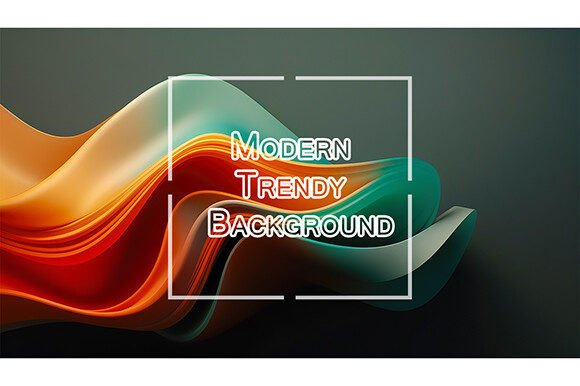
Modern Trendy Background
In the crowded digital landscape, a single image can make or break a user's first impression. This is where Modern Trendy Background assets become indispensable tools for creators and businesses alike. Specifically, designs featuring a 3D wavy layered shape offer a sophisticated depth that flat colors simply cannot achieve. When you encounter a high-resolution file described as 3675x2100 pixels at 300 DPI in JPEG format, you are looking at a premium resource designed to elevate your visual communication without overwhelming your audience.
However, acquiring such a file is only half the battle. Many professionals stumble when trying to integrate these complex textures into their workflows. They often overlook critical technical details regarding resolution, color profiles, and application suitability. By understanding the nuances of this specific asset type, you can avoid costly redesigns and ensure your final output looks professional across every medium.
Understanding the Power of 3D Wavy Layered Shapes
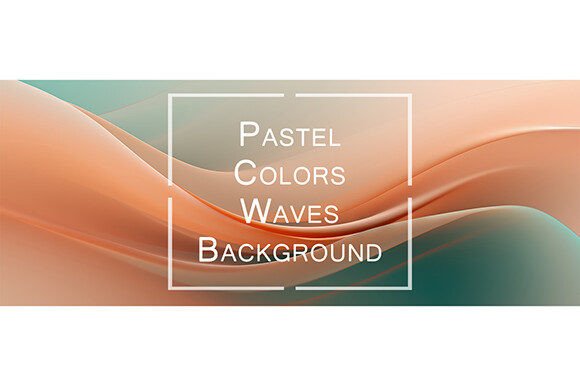
The shift from flat design to dimensional aesthetics has been driven by a desire for engagement. A Modern Trendy Background with a 3D wavy layered shape creates an immediate sense of movement and fluidity. Unlike static patterns, these waves guide the eye naturally across the screen or page, making them perfect for holding attention on landing pages or social media feeds.
When you download a file specified at 3675x2100 pixels, you are securing a canvas that supports ultra-wide displays and large-format printing. The 300 DPI specification is particularly crucial. It indicates that the image contains enough data points per inch to remain crisp when printed on physical media. If you ignore this metric and use a low-resolution web version for a poster, the result will be pixelated and unprofessional. High fidelity ensures that the subtle gradients and shadows in the 3D layers remain smooth, preserving the intended mood of the design.
Common Pitfalls in Selecting and Using Premium Assets
Even with a high-quality file like the one described, mistakes happen during the selection and implementation phases. One of the most frequent errors involves mismatching the aspect ratio with the intended platform. While 3675x2100 is an excellent size for hero banners and wide-format prints, it may require significant cropping to fit standard social media squares or vertical stories. Failing to plan for this crop can cut off essential parts of the wave pattern, ruining the composition.
Another oversight occurs when users treat a JPEG file as if it were a vector graphic. Because this is a raster image (JPEG), scaling it up beyond its original dimensions will inevitably degrade quality. You might be tempted to stretch the background to fill a massive billboard, but without a vector source, the wavy lines will blur. Instead, you must work within the constraints of the 3675-pixel width or find a scalable alternative if your project requires infinite resizing.
Color management is also a frequent stumbling block. High-resolution images often utilize the sRGB color space for web compatibility, but print projects frequently require CMYK. If you do not check the color profile before sending the file to a printer, the vibrant blues and purples of the 3D layers might appear dull or muddy in the final product. Always verify the color mode with your production partner to ensure consistency between your screen preview and the physical object.
Why Resolution Matters Beyond the Numbers
It is easy to get lost in the numbers: 300 DPI, 3675 pixels, JPEG format. However, the real value lies in how these specs affect usability. A 300 DPI file is overkill for a small mobile icon, yet it is the minimum requirement for a business card or a brochure cover. Using a lower-resolution image for these items results in jagged edges and a lack of detail that undermines brand credibility.
Conversely, using a massive 300 DPI file for a low-bandwidth website can slow down load times, hurting your SEO rankings. Users expect instant loading; if your background takes too long to render, they will bounce. The solution is to create optimized versions. Keep the original 3675x2100 master file untouched for high-stakes applications like wall art or packaging, but generate compressed, smaller variants for web use. This strategy maintains quality where it counts while ensuring efficiency elsewhere.
Evaluating Your Needs Before You Apply
Before applying this Modern Trendy Background to your next project, take a moment to audit your requirements. Ask yourself what the primary goal of the design is. Is it to convey innovation? The 3D wavy shape suggests forward momentum and modernity, making it ideal for tech startups, creative agencies, or educational content about future trends.
If you are designing packaging, consider the material. Glossy finishes enhance the reflection of light on 3D layers, adding to the premium feel. Matte finishes might mute the effect slightly but provide a more tactile, understated luxury. Understanding the end medium helps you decide whether to adjust the contrast or saturation of the background image before placing text or logos over it.
Text legibility is another critical factor. Deep, dark, or highly textured backgrounds can make white text difficult to read. To avoid this, always test your typography against the background. You may need to add a subtle drop shadow, a semi-transparent overlay, or choose a font weight that stands out clearly. The goal is to balance the visual interest of the waves with the clarity of your message.
Maximizing Versatility Across Platforms
The true strength of a high-quality background lies in its versatility. With the right approach, this single asset can serve multiple purposes:
- Website Headers: Use the full 3675x2100 width to create an immersive hero section that captures attention immediately.
- Social Media Branding: Crop the center of the wave pattern for Instagram posts or LinkedIn headers, ensuring the focal point remains visible.
- Print Materials: Leverage the 300 DPI resolution for postcards, invitations, and business cards where sharpness is non-negotiable.
- Wall Art: Print the image on canvas or metal for office decor, taking advantage of the high resolution to ensure no detail is lost at large sizes.
- Packaging: Wrap products in this design to give them a contemporary, high-end look that stands out on retail shelves.
By treating the file as a versatile tool rather than a static image, you unlock its full potential. Remember to keep the original file safe. It is the master copy that allows you to adapt the design for future needs without re-downloading or compromising quality.
Making the Right Choice for Long-Term Success
Investing in a premium, high-DPI background is an investment in your brand's longevity. Cheap, low-resolution alternatives might save a few cents initially, but they often lead to frustration when the image fails to perform in critical moments. A blurry logo on a printed invitation or a pixelated banner on a corporate site sends a message of carelessness.
Instead, prioritize quality and specifications. Look for files that explicitly state their resolution, dimensions, and format. Verify that the artistic style matches your brand voice. A Modern Trendy Background with 3D wavy layers is dynamic and engaging, suitable for brands that want to appear innovative and polished. By avoiding common pitfalls like ignoring DPI requirements or failing to optimize for different screens, you ensure that your visual identity remains strong and effective.
Take the time to prepare your workflow. Organize your folders, label your versions, and always have a backup of the master file. These practical steps might seem minor, but they prevent the chaos of missing assets and last-minute rushes. When you combine a high-quality asset with a thoughtful approach, the result is a cohesive, professional presentation that resonates with your audience.
Whether you are a freelancer pitching a new client, a small business owner launching a product, or a marketer refreshing a campaign, the right background sets the stage for success. Embrace the details, respect the technical specifications, and let the Modern Trendy Background do the heavy lifting for your design narrative.