Seamless Geometric Vector Patterns: A Strategic Asset for Modern Design
In the competitive landscape of visual communication, the difference between a generic output and a professional asset often lies in the foundational elements. Seamless Geometric Vector Patterns are not merely decorative backgrounds; they are strategic tools that enable precision, scalability, and brand consistency across diverse mediums. When integrated thoughtfully into your workflow, these patterns transform from simple textures into powerful components of your operational and creative strategy.
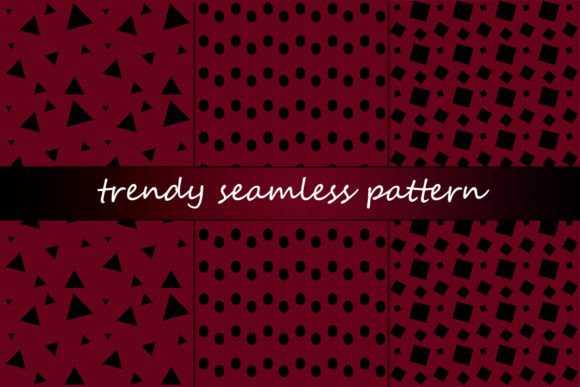
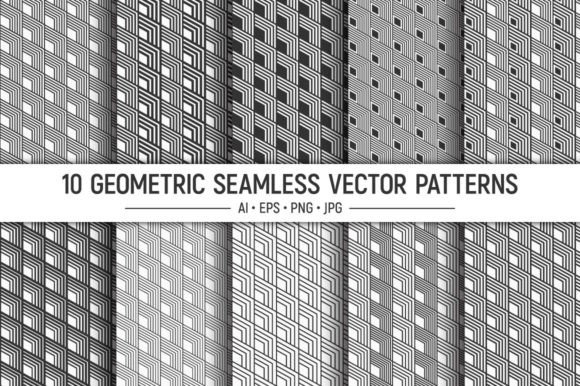
The collection described here—featuring geometrical striped rhombuses and digital paper designs—offers more than just aesthetic variety. It provides a structured approach to surface design that supports entrepreneurs, marketers, and creators who demand reliability and high fidelity in their deliverables. By understanding the technical specifications and strategic applications of these assets, you can make better decisions regarding branding, product development, and digital presence.
The Strategic Value of Vector-Based Geometry
Why choose vector-based seamless patterns over raster images? The answer lies in the intersection of flexibility and quality. Seamless Geometric Vector Patterns are defined by mathematical equations rather than fixed pixels. This fundamental characteristic ensures that whether you are scaling a pattern for a massive billboard or shrinking it for a business card, the integrity remains uncompromised. For professionals managing multiple channels, this scalability is critical.
When you utilize a collection like the one containing 10 distinct AI format vector files, you are investing in an infrastructure that supports long-term growth. Unlike static images that degrade when resized, these patterns maintain their crisp edges and precise lines. This is particularly vital for:
- Brand Consistency: Ensuring that your logo, packaging, and web elements share a unified visual language regardless of size.
- Cost Efficiency: Reducing the need for repeated graphic design work by having a versatile library of pre-optimized textures.
- Operational Speed: Streamlining the production process for fabric prints, wrapping paper, or digital backdrops without sacrificing resolution.
Applications Across Business and Creative Sectors
The utility of geometrical striped rhombuses vector backgrounds extends far beyond simple decoration. These patterns serve as functional layers that enhance user experience and reinforce brand identity. Consider how different sectors can leverage these assets to achieve specific goals.
Branding and Corporate Identity
For small business owners and decision-makers, first impressions matter. Using Rhombuses Digital Paper on business cards or corporate stationery adds a layer of sophistication that sets a company apart. The repetitive nature of a seamless pattern creates a rhythm that the human eye finds pleasing, subtly communicating stability and order. When applied to posters or banners, these patterns provide a backdrop that allows text and key messaging to stand out without visual clutter.
Product Development and E-Commerce
Fabric print and cloth design are areas where texture is paramount. The ability to tile these patterns seamlessly means you can visualize products like clothing, home decor, or upholstery with accuracy. For entrepreneurs launching private label goods, having access to 3600x3600px JPG and PNG files at 300dpi ensures that mockups look realistic to potential customers. This clarity reduces uncertainty in the purchasing process and builds trust with your audience.
Digital Presence and Web Design
Web page backdrops require careful consideration of load times and visual hierarchy. Seamless Geometric Vector Patterns offer lightweight solutions that do not bog down server performance while still providing rich visual interest. Whether used as a full-screen background or a subtle texture within content sections, these patterns help guide the user's attention. They act as a structural element, organizing information and making digital interfaces feel more cohesive.
Technical Specifications as a Foundation for Quality
The value of a design asset is often determined by its metadata and file structure. This collection is engineered for practicality, addressing the common pain points designers face when sourcing materials. The inclusion of 10 separate folders for each pattern, along with source swatch panels, demonstrates a commitment to usability.
Here is how the specific components of this collection support your workflow:
- AI and EPS Formats (Vector): These files allow for infinite editing. You can change colors, adjust the scale of the rhombuses, or modify the stripe density to match your brand guidelines perfectly. Having 10 AI files and 10 EPS files ensures compatibility with industry-standard software like Adobe Illustrator and Inkscape.
- JPG Files (Raster): With dimensions of 3600x3600px at 300dpi, these files are ready for high-resolution printing. This specification is essential for physical products where pixelation is unacceptable.
- Transparent PNG Files: Transparency is crucial for overlaying patterns onto existing designs or integrating them into complex layouts. The 300dpi resolution ensures these overlays remain sharp even when printed.
- Pattern Swatches: The inclusion of 10 pattern swatches directly within the AI file accelerates the design process. Instead of manually defining tiles, you can drag and drop swatches, ensuring perfect alignment every time.
Strategic Implementation: Planning Before Creating
While the availability of high-quality assets is beneficial, their impact depends on how they are deployed. Relying on Seamless Geometric Vector Patterns without a clear strategy can lead to visual noise rather than visual harmony. To maximize the return on investment for these assets, consider the following planning steps.
Define the Purpose
Before applying a pattern, ask what role it plays in the final composition. Is it intended to create depth, hide imperfections, or direct focus? For instance, using a bold striped rhombus pattern as a primary background might overwhelm text, whereas using it as a border or accent strip can frame content effectively. Understanding the context prevents the "random application" trap that dilutes brand authority.
Maintain Visual Hierarchy
Effective design relies on hierarchy. When incorporating geometric patterns, ensure they support the message rather than compete with it. If the goal is to communicate complex information, a subtle, low-contrast version of the pattern may be preferable. Conversely, if the goal is to evoke energy and movement, a high-contrast variation of the rhombus design could be the right choice. The collection's versatility allows you to test these variations easily.
Consider the Medium
A pattern that works beautifully on a web page backdrop may behave differently on fabric or wrapping paper. Factors such as lighting, material texture, and viewing distance influence perception. The provision of both vector and high-res raster files allows you to simulate these environments before committing to production. This foresight saves resources and minimizes the risk of costly errors.
Risks and Mitigation Strategies
No design tool is without potential pitfalls. One of the primary risks associated with Seamless Geometric Vector Patterns is overuse. When patterns are applied indiscriminately, they can create a chaotic visual environment that confuses the viewer. This is particularly dangerous in marketing materials where clarity is key to conversion.
To mitigate this risk, adopt a disciplined approach:
- Limit Usage: Restrict pattern usage to specific zones or secondary elements. Use solid colors for primary call-to-action areas.
- Test Accessibility: Ensure that text placed over patterns meets accessibility standards for contrast and readability. A beautiful pattern should never compromise legibility.
- Align with Brand Voice: Ensure the geometric style matches the personality of your brand. Sharp, angular rhombuses convey precision and modernity, which may not suit a brand focused on organic warmth or softness.
Long-Term Value and Scalability
Investing in a collection of Seamless Geometric Vector Patterns is an investment in scalability. As your business grows, so does the need for consistent visual assets. Having a library of 10 unique, tileable, and editable patterns means you can expand your product line, launch new campaigns, or enter new markets without starting from scratch.
The ability to edit the source files ensures that your designs remain relevant as trends evolve. You can update color palettes to reflect seasonal changes or rebranding efforts while maintaining the structural integrity of the original design. This adaptability is a hallmark of professional-grade design systems.
Conclusion: Making Intentional Choices
The decision to incorporate Seamless Geometric Vector Patterns into your projects should be driven by strategic intent rather than convenience. When used with purpose, these patterns elevate the quality of your work, streamline your production processes, and strengthen your brand's visual identity. From fabric prints to digital backdrops, the applications are vast, but the key to success lies in thoughtful planning and execution.
By leveraging the comprehensive file formats provided—including AI, EPS, JPG, and PNG options—you gain the freedom to experiment and refine until the result aligns perfectly with your goals. Whether you are an educator creating engaging materials, a freelancer delivering premium client work, or a business owner building a recognizable brand, these assets provide the foundation upon which excellence is built. Approach them with a clear vision, respect their technical capabilities, and use them to drive tangible results in your creative endeavors.