White Room Background: A Comprehensive Evaluation for Digital and Print Projects
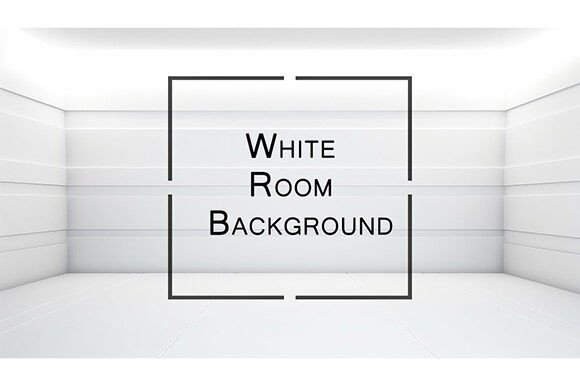
In the landscape of digital asset creation, few elements are as versatile or fundamental as a white room background. Specifically, high-fidelity imagery such as a 3D White Clean Room Background with dimensions of 3675x2100 pixels offers a distinct advantage for professionals seeking precision. This specific file format, delivered as a 300 DPI JPEG, represents a premium quality standard that bridges the gap between conceptual design and tangible application. For designers, marketers, and content creators, understanding the utility of this asset is crucial before integrating it into a workflow.
This evaluation explores the technical specifications, practical applications, and strategic considerations associated with using a high-resolution white room environment. The goal is to provide an objective analysis to help readers determine if this specific background aligns with their project requirements.
Understanding the Technical Specifications
The core value of this asset lies in its precise technical attributes. A resolution of 3675x2100 pixels ensures that the image contains sufficient data for large-scale displays without losing clarity. However, the defining characteristic for many professional use cases is the 300 DPI (dots per inch) specification. In the context of digital media, DPI often correlates with the density of pixel information available for print reproduction.
A 300 DPI JPEG at this resolution indicates that the image is optimized for high-quality printing. Unlike standard web images which typically operate at 72 DPI, this file maintains sharpness when scaled up for physical mediums. The "3D White Clean Room" description suggests a digitally rendered environment rather than a photograph of a physical space. This distinction is significant because 3D rendering allows for perfect uniformity in lighting, texture, and perspective, eliminating the imperfections found in real-world photography, such as dust, shadows, or uneven wall surfaces.
Primary Applications and Use Cases
The versatility of a clean, white room background makes it suitable for a wide array of industries. Its neutrality serves as a canvas that does not compete with the primary subject matter, whether that be a product, text, or graphic element.
- E-Commerce and Product Photography: One of the most common uses is for online retail. A white background is the industry standard for product listings on platforms like Amazon or Shopify. It provides a consistent look across a catalog, ensuring that the focus remains entirely on the item being sold.
- Branding and Social Media: For businesses establishing a visual identity, consistency is key. Using this background for social media posts, website headers, or app interfaces creates a cohesive brand experience. The clean aesthetic projects professionalism and modernity.
- Print Materials: Due to the 300 DPI resolution, this file is ideal for physical collateral. Designers can utilize it for posters, packaging, postcards, and notebooks. The high resolution ensures that text and logos printed on these items remain crisp and legible.
- Corporate Stationery: Business cards and invitations require a level of sophistication that a plain white background provides. It allows for elegant typography and minimalistic designs that convey trust and reliability.
- Wall Art and Decor: The 3675x2100 dimension supports large-format printing, making it a viable option for wall art. The clean lines and neutral tones fit well in contemporary interior design schemes.
Benefits of a High-Resolution 3D Environment
Selecting a 3D generated background over a photographic one offers several distinct advantages. The primary benefit is control. In a 3D environment, lighting is mathematically perfect. There are no harsh shadows cast by external objects, and the gradient of the floor-to-wall transition is seamless. This eliminates the need for extensive photo editing to remove distractions or correct color casts.
Furthermore, the premium quality of the JPEG format ensures compatibility across various software suites while maintaining a manageable file size. The 3675x2100 aspect ratio is also particularly useful for widescreen formats, making it adaptable for desktop wallpapers, banner ads, and presentation slides without requiring awkward cropping or stretching that could distort the image.
Considerations and Potential Tradeoffs
While the advantages are clear, there are specific considerations to keep in mind when evaluating this asset. The first is the "artificial" nature of 3D backgrounds. While they offer perfection, they may lack the organic warmth or texture of a real location. If a project requires a sense of authenticity or human connection, a sterile white room might feel too clinical or detached.
Another consideration is the file format itself. Although a JPEG is widely supported, it is a lossy format. For workflows that require further manipulation, such as extracting the background or adjusting lighting significantly, a TIFF or PSD file with layers might be more appropriate. However, for direct placement and export, the JPEG is efficient and effective.
Users must also consider the lighting direction within the 3D render. If the scene has a specific light source (e.g., from the left), any composite objects added later must match that lighting angle to appear realistic. Mismatched lighting can break the illusion of depth and make the final composition look unprofessional.
Situational Fit: When to Choose This Background
This asset is a strong fit for projects where minimalism and clarity are paramount. It is particularly effective for tech products, pharmaceutical items, or luxury goods where the design should speak for itself without environmental distraction. It is also the preferred choice for branding guidelines that demand strict adherence to a clean, white-space-heavy aesthetic.
If the goal is to create a unified look across multiple touchpoints—from a mobile app icon to a large-scale billboard—this background provides the necessary scalability. The 300 DPI specification ensures that the transition from digital to physical media is seamless, preserving the integrity of the design.
When Alternatives May Be Preferable
There are scenarios where a white room background may not be the optimal choice. For lifestyle marketing campaigns, brands often seek environments that evoke emotion or tell a story. A cozy living room, a bustling office, or an outdoor setting can provide context that a white void cannot. In these cases, a colored or textured background would better serve the narrative.
Additionally, for projects requiring extreme flexibility in post-production, such as complex compositing where the background needs to be completely removed or replaced with dynamic elements, a vector-based background or a raw 3D render file might offer more utility than a static JPEG. Similarly, if the project involves very small print sizes where the 300 DPI detail is unnecessary, a lower-resolution web-optimized image might suffice to save bandwidth.
Practical Decision-Making Insights
To determine if this background aligns with your goals, start by defining the end output. If the final deliverable includes print materials larger than a standard business card, the 300 DPI resolution is a non-negotiable requirement. Check the aspect ratio against your layout templates; 3675x2100 is a widescreen format, so ensure it fits your design grid without excessive whitespace.
Next, evaluate the tone of your brand. Does your audience respond to sterile precision or organic warmth? If the former, this white room background is likely an excellent foundation. Finally, consider the workflow. If you are working with a team that relies on standardized assets, having a high-quality, universally compatible JPEG simplifies the distribution process.
In conclusion, a 3D White Clean Room Background in 3675x2100 px at 300 DPI is a robust tool for professional design. It balances high fidelity with broad applicability, serving as a reliable foundation for everything from digital branding to physical packaging. By understanding its strengths and limitations, creators can make informed decisions that enhance the quality and effectiveness of their visual communication.