White Sheets of Paper Background
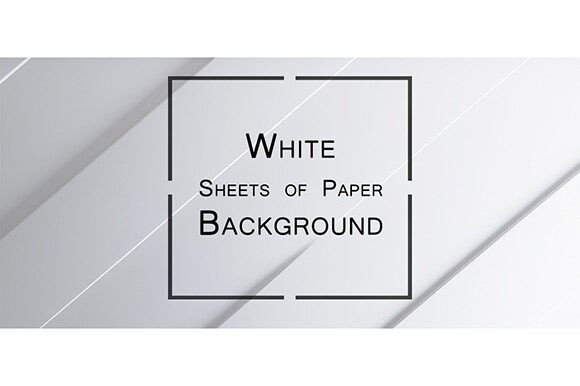
In the landscape of digital design and content creation, the foundation often dictates the success of the final output. The White Sheets of Paper Background is not merely a visual element; it is a functional tool that bridges the gap between raw creativity and polished execution. This specific asset, characterized by its high-resolution 4483x2100 px dimensions and 300 DPI clarity in JPEG format, serves as a versatile canvas for professionals who demand precision without unnecessary distraction.
Unlike generic solid colors or overly textured surfaces, this background mimics the tactile reality of fresh stationery while maintaining the clean aesthetic required for modern branding. It fits seamlessly into workflows where clarity, readability, and a sense of authenticity are paramount. Whether you are a marketer crafting a social media campaign, an educator designing a lesson plan, or a small business owner preparing packaging mockups, understanding how to leverage this resource can streamline your production process significantly.
The Role of Visual Foundation in Workflow Efficiency
Every creative project begins with a setup phase. In physical design, this involves selecting paper stock, lighting, and camera angles. In the digital realm, the "paper" is the background layer upon which all other elements rest. The White Sheets of Paper Background eliminates the need for time-consuming photography sessions or complex 3D rendering setups. By providing a ready-made, premium-quality texture, it allows designers to focus immediately on the core content: typography, imagery, and layout.
This efficiency is crucial for freelancers and agency owners operating under tight deadlines. Instead of spending hours adjusting shadows, grain, and lighting curves to simulate a paper surface, the user imports a file that already meets professional standards. The 300 DPI resolution ensures that when the image is scaled or printed, the edges remain crisp, and the subtle variations in the paper texture do not pixelate. This consistency is vital for maintaining brand integrity across different mediums, from a mobile screen to a large-format poster.
Integration Across Digital Platforms
The versatility of this background stems from its ability to adapt to various software environments. When used in graphic design suites like Adobe Photoshop or Illustrator, the high bit-depth and resolution allow for non-destructive editing. You can overlay vector graphics, place product shots, or add text layers knowing that the underlying surface will support high-fidelity output.
- Social Media Branding: Content creators often struggle to maintain a cohesive feed. Using this background provides a uniform look across Instagram posts, Pinterest pins, and LinkedIn articles. The clean white sheets suggest organization and professionalism, which resonates well with audiences seeking reliable information.
- Website Development: For blogs and landing pages, loading heavy textures can slow down performance. However, optimized versions of this 3D abstract background can serve as a hero section or a subtle backdrop for blog headers, adding depth without compromising load speeds.
- Digital Publishing: E-books and digital magazines benefit from the organic feel of paper. Replacing stark white backgrounds with these sheets creates a more inviting reading experience, reducing eye strain and mimicking the comfort of print media.
Strategic Applications in Physical Production
While digital applications are common, the true power of a 300 DPI JPEG lies in its transition to the physical world. The specification of 4483x2100 pixels at 300 dots per inch indicates that this file is print-ready for large formats without interpolation. This makes it an essential asset for businesses involved in tangible marketing materials.
When planning a new product launch, entrepreneurs must visualize their packaging before committing to expensive printing runs. By using the White Sheets of Paper Background, designers can create realistic mockups. Imagine placing a logo or a label onto one of these sheets. The subtle shadows and the slight curvature of the paper provide context, allowing stakeholders to see exactly how the final product will appear on a desk or in a store display.
This capability extends to invitations and postcards. A wedding invitation or a corporate event card designed on a plain white canvas often feels flat. Incorporating this background adds a layer of sophistication. The "Simple Abstract Background with White Sheets of Paper 3D" aspect introduces just enough dimension to catch the eye, ensuring the material stands out in a mailbox or on a table, yet remains elegant enough to convey a serious message.
Enhancing Educational and Training Materials
Educators and trainers face the challenge of keeping learners engaged. Traditional slides can be dry, but integrating a paper texture changes the psychological perception of the content. It suggests a notebook, a worksheet, or a handout—formats associated with active learning and note-taking. When creating course materials, presentations, or worksheets, using this background can make the content feel more accessible and less formal.
For instance, a teacher preparing a downloadable study guide can use this background to frame the text. The visual cue of a sheet of paper signals to the student that this is something to be held, written on, or kept. This subtle psychological nudge can improve retention and engagement. Furthermore, the neutral color palette ensures that the focus remains on the educational content rather than the design itself.
Technical Considerations for Seamless Implementation
To get the most out of this asset, users must understand its technical attributes. The JPEG format is widely compatible, making it easy to share across teams and platforms. However, because it is a raster image, scaling beyond its native resolution can lead to quality loss. The 4483x2100 px size offers significant flexibility, but it is important to respect these limits during the design process.
When organizing files within a project management system, categorize this background under "Assets" or "Templates." Tagging it with keywords like "3D," "texture," "print-ready," and "minimalist" ensures quick retrieval. This organizational discipline is key for productivity-minded users who manage multiple projects simultaneously.
Consistency is another factor to consider. If a brand uses this background for a series of posters, ensure that the lighting direction and shadow intensity remain consistent across all designs. Inconsistencies in the perceived light source can break the immersion and make the final product look unprofessional. Since the background features a simple abstract style, it is forgiving, but attention to detail in how other elements interact with the shadows will elevate the overall quality.
Compatibility with Other Design Tools
The interaction between the background and other tools determines the workflow's smoothness. Most modern design software supports layered editing, allowing the background to sit at the bottom of the stack. This enables users to experiment with different foreground elements without altering the base texture. For example, a marketer can test three different headline fonts against the same paper background to see which offers the best contrast and readability.
Additionally, this asset works well with AI-generated images and stock photography. The neutral tones of the white sheets complement a wide range of color schemes. Whether the foreground contains vibrant product photos or monochromatic illustrations, the background acts as a stabilizer, grounding the composition. This compatibility reduces the need for extensive color correction, saving valuable time during the post-production phase.
Long-Term Value and Sustainability
In an era where digital assets are constantly updated and discarded, investing in high-quality, timeless resources pays dividends. The White Sheets of Paper Background is a classic choice that transcends fleeting design trends. Minimalism and clean aesthetics have remained relevant for decades, and this asset aligns perfectly with those enduring principles.
For publishers and bloggers, having a library of such backgrounds means they can produce content consistently without burning out on design decisions. They can batch-create graphics for a month's worth of social media posts or a quarterly newsletter, knowing that the foundation is solid. This approach fosters a sustainable workflow where creativity flows naturally from a reliable base.
Furthermore, the high resolution ensures longevity. As display technology improves, with screens becoming sharper and printers capable of higher outputs, a 300 DPI image will continue to meet the standard for years to come. There is no need to re-purchase or re-design assets frequently, which is both cost-effective and environmentally friendly by reducing the cycle of waste.
Conclusion: Elevating Your Creative Output
The journey from concept to completion requires the right tools at every stage. The White Sheets of Paper Background is more than a decorative element; it is a strategic component of a professional workflow. It offers the perfect balance between realism and abstraction, providing a canvas that respects the viewer's attention while enhancing the perceived value of the content.
By integrating this asset into your applications, websites, blogs, and physical productions, you streamline your process and elevate your brand's presentation. Whether you are drafting a business plan, designing a package, or creating a personal journal, the quality and versatility of this 3D abstract background ensure that your work stands out. It is a testament to the idea that great design often lies in the details—the subtle curve of a page, the soft shadow of a fold, and the promise of a blank slate waiting to be filled.
Embrace this resource as part of your toolkit. Let it handle the foundational texture so you can focus on the message, the strategy, and the innovation that drives your projects forward. In doing so, you align yourself with a standard of excellence that resonates with audiences and delivers results.